Wood shake roofs, wood shingle roofs, cedar shake shingle roofs, and untreated wood roofs are banned or restricted in many areas across the United States, particularly within the Western United States. This is because wood is a combustible material and it is naturally flammable, and wood roofs are a significant risk to homes, structures, property owners, and communities. Put simply, wood roofs are one of the most risky and vulnerable roof types that you can have, and all it takes is a couple of traveling embers from a wildfire to ignite a structure with a wood roof.
This article provides locations for wood roof bans, their impact on property owners, proactive steps you can do to mitigate fire risk, and what alternative fire resistant roofing materials you should consider. In addition to this information, feel free to familiarize yourself with similar fire topics like understanding wildfire prevention, wildfire mitigation tips, and 11 ways to protect your home from wildfires.
What is a Wood Roof Ban?
A wood roof ban is a legislative measure that bans the use of wood roofs, it is focused on enhancing safety in fire-prone regions and fire-prone communities. This measure takes into account local building codes and the Wildland Urban Interface (WUI), which is a transition zone between land developed by humans and the wilderness. Essentially, humans and structures living in WUI zones are at a higher risk of wildfires and fire damage. Thus, communities within or near WUI zones, have a higher probability of banning building materials like wood roofs due to their high fire risk, and susceptibility to fire ignition and fire damage.
Wood roof bans have been increasingly adopted in areas with high fire risks in order to mitigate the dangers associated with wood roofs and cedar shake shingles. Notably, places like Oregon, Colorado, Teton County, and many areas in California, are at the forefront of implementing wood bans due to their fire risk and wildfire risks that they face.
Wood shake shingle roof bans and cedar shake shingle roof bans (often times used interchangeably), are implemented in high risk fire areas and WUI zones to enhance safety and reduce fire hazards associated with flammable and combustible roofing materials. These wood bans help protect residents living within those communities, and it is a proactive measure implemented to help save businesses, save homes, and most importantly save human lives and limit fire damage.
A wood roof ban is not just about preventing new wood roof installations, but also encouraging the replacement of existing and aged wood roofs, which are known for their susceptibility to fire and fire ignition. Even treated wood roofs are at risk because wood is a naturally flammable material, and while you can treat wood shake shingles or cedar shake shingles with chemicals or preservatives, wood can still pose risks due to leaching of chemicals like copper, chromium and arsenic. While states like Colorado have not yet mandated the replacement or complete ban of all wood roofs, there is a growing trend towards stricter regulations and stricter bans throughout the Western United States. These wood roof bans are part of broader efforts to mitigate fire risk and fire damage within WUI zones and areas prone to wildfires. Keep in mind that there are insurance benefits for property owners who switch from a wood roof to a Class A Fire Rated roof, which we will discuss in more detail below. With that being said, let us examine where wood roof bans currently exist.
Locations of Wood Roof Bans (last updated in June 2025)
- Los Angeles County, California
- In 1989, Los Angeles became the first major city to ban new untreated cedar wood shake shingle roofs.
- LA County implemented a ban on new wood shake and wood shingle roofs due to fire safety concerns, and to minimize the spread of wildfires and wildfire damage.
- The ban applies to new construction projects, and roof replacements where more than 10% of the roof surface needs replacement.
- San Diego County, California
- Due to wildfire concerns, in 2004 San Diego County banned wood shake and wood shingle roofs on new construction projects and for roof repairs or roof replacements exceeding a certain percentage of the roofs area.
- Wood roofs that existed before December 22, 2003 are required to be removed and replaced by December 22, 2028.
- The fire resistant roof requirement calls for roof alterations, roof repairs, roof replacements and new roof construction to meet a Class A fire resistance standard.
- Beverly Hills, California
- Beverly Hills, California has a ban on new wood shake roof and new wood shingle roof installations due to fire safety regulations.
- Beverly Hills is located in Los Angeles County which banned wood roofs in 1989.
- The ban applies to new construction projects and roof replacements where more than 10% of the roof surface needs replacement.
- Bel Air, California
- Bel Air, California has a ban on new wood shake roof and new wood shingle roof installations due to fire safety regulations.
- Bel Air is located in Los Angeles County which banned wood roofs in 1989.
- The ban applies to new construction projects and roof replacements where more than 10% of the roof surface needs replacement.
- Burbank, California
- Burbank homeowners with wood shake or wood shingle roofs had to be removed or replaced by August 14, 2014.
- Those with “roof-overs,” or wood shake or wood shingle roofs covered by another type of roofing material, had until 2020.
- City of Santa Barbara, California
- Within the city of Santa Barbara wood roofs are banned due to fire safety concerns, however minor exceptions can be made under certain conditions.
- Carlsbad, California
- In 2004, Carlsbad, California, banned and prohibited wood shake shingle and cedar shingle roofs for new construction projects and for roofing repairs and replacements after a series of devastating fires.
- Chula Vista, California
- Chula Vista, California has a ban on wood shake shingle roofs.
- Chula Vista is located in San Diego County which banned wood roofs in 2004.
- Coronado, California
- Coronado, California has a ban on wood shake shingle roofs. Coronado is located in San Diego County which banned wood roofs in 2004.
- Del Mar, California
- Del Mar, California’s roof ordinance building code does not allow the use of any wood roofing materials for any roof replacement within the city.
- El Cajon, California
- The city of El Cajon, California prohibits the use of shingle roofs or wood shake roofs.
- Their ban of wood roofs is driven by their recognition of the increased risk that wood poses, and wood’s susceptibility to fire ignition.
- Encinitas, California
- Encinitas, California has a ban on wood shake shingle roofs.
- Encinitas is located in San Diego County which banned wood roofs in 2004.
- Escondido, California
- Escondido, California has a ban on wood shake shingle roofs.
- Escondido is located in San Diego County which banned wood roofs in 2004.
- Glendale, California
- Glendale, California has a ban on wood shake shingle roofs.
- Glendale is located in Los Angeles County which banned wood roofs in 1989.
- The ban applies to new construction projects and roof replacements where more than 10% of the roof surface needs replacement.
- Hidden Hills, California
- Hidden Hills, California has a ban on wood shake roofs and wood shingle roofs.
- Hidden Hills is located in Los Angeles County which banned wood roofs in 1989.
- The ban applies to new construction projects and roof replacements where more than 10% of the roof surface needs replacement.
- Inglewood, California
- Inglewood, California has a ban on wood shake roofs and wood shingle roofs.
- Inglewood is located in Los Angeles County which banned wood roofs in 1989.
- The ban applies to new construction projects and roof replacements where more than 10% of the roof surface needs replacement.
- La Jolla, California
- La Jolla, California has a ban on wood shake roofs and woof shingle roofs.
- The ban applies to new construction projects and any repairs or replacement where more than 25% of the roof surface needs replacement.
- Laguna Beach, California
- Laguna Beach restricts the use of untreated wood shake or wood shingle roofs in remodeling or new construction projects within fire hazard zones.
- Lancaster California
- Lancaster, California has a ban on new wood shake shingle roof installations due to fire safety regulations.
- Lancaster is located in Los Angeles County which banned wood roofs in 1989.
- The ban applies to new construction projects and roof replacements where more than 10% of the roof surface needs replacement.
- Long Beach, California
- Long Beach, California has a ban on new wood shake shingle roof installations due to fire safety regulations.
- Long Beach is located in Los Angeles County which banned wood roofs in 1989.
- The ban applies to new construction projects and roof replacements where more than 10% of the roof surface needs replacement.
- Los Angeles, California
- Los Angeles has banned new wood shingle and wood shake roof installations in 1989.
- The ban applies to new construction projects and roof replacements where more than 10% of the roof surface needs replacement.
- Malibu, California
- Malibu, California has a ban on new wood shake roof and new wood shingle roof installations due to fire safety regulations.
- Malibu is located in Los Angeles County which banned wood roofs in 1989.
- The ban applies to new construction projects and roof replacements where more than 10% of the roof surface needs replacement.
- Oceanside, California
- Oceanside, California has a ban on new wood shake roof and new wood shingle roof installations due to fire safety regulations.
- Oceanside is located in San Diego County which banned wood roofs in 2004.
- Orange County, California
- There is not a city wide ban on cedar wood roofs, however some areas have requirements or restrictions forbidding the use of cedar wood roofs, particularly in fire-prone zones.
- Pacific Palisades, California
- Pacific Palisades, California has a ban on new wood shake roof and new wood shingle roof installations due to fire safety regulations.
- Pacific Palisades is located in Los Angeles County which banned wood roofs in 1989.
- The ban applies to new construction projects and roof replacements where more than 10% of the roof surface needs replacement.
- Palmdale, California
- Palmdale, California has specific regulations regarding wood roofs.
- Palmdale is located in Los Angeles County which banned wood roofs in 1989.
- The ban applies to new construction projects and roof replacements where more than 10% of the roof surface needs replacement.
- Pasadena, California
- Pasadena, California has a ban on new wood shake roof and new wood shingle roof installations due to fire safety regulations.
- Pasadena is located in Los Angeles County which banned wood roofs in 1989.
- The ban applies to new construction projects and roof replacements where more than 10% of the roof surface needs replacement.
- Pomona, California
- Pomona, California has a ban on new wood shake roof and new wood shingle roof installations due to fire safety regulations.
- Pomona is located in Los Angeles County which banned wood roofs in 1989.
- The ban applies to new construction projects and roof replacements where more than 10% of the roof surface needs replacement.
- San Clemente, California
- San Clemente banned wood roofs in 1989.
- San Marino, California
- San Marino, California has a ban on new wood shake roof and new wood shingle roof installations due to fire safety regulations.
- San Marino is located in Los Angeles County which banned wood roofs in 1989.
- The ban applies to new construction projects and roof replacements where more than 10% of the roof surface needs replacement.
- San Rafael County, California
- Following a City Council action in May 2022, all wood shake and wood shingle roofs are required to be replaced by May 31, 2027.
- Santa Barbara County, California
- Santa Barbara County has regulations regarding wood roofs.
- There is not currently a county wide wood ban, but restrictions and guidelines to minimize fire risks do exist.
- In some high risk fire areas and WUI zones, new construction project are prohibited from using wood roofs.
- Santa Clarita, California
- Santa Clarita, California has a ban on new wood shake roof and new wood shingle roof installations due to fire safety regulations.
- Santa Clarita is located in Los Angeles County which banned wood roofs in 1989.
- The ban applies to new construction projects and roof replacements where more than 10% of the roof surface needs replacement.
- Santa Monica, California
- Santa Monica, California has a ban on new wood shake roof and new wood shingle roof installations due to fire safety regulations.
- Santa Monica is located in Los Angeles County which banned wood roofs in 1989.
- The ban applies to new construction projects and roof replacements where more than 10% of the roof surface needs replacement.
- Tahoe Basin, California
- Wood shingle and wood shake roofs are considered highly combustible and are thus banned in Tahoe Basin, California.
- Torrance, California
- Torrance, California has a ban on new wood shake roof and new wood shingle roof installations due to fire safety regulations.
- Torrance is located in Los Angeles County which banned wood roofs in 1989.
- The ban applies to new construction projects and roof replacements where more than 10% of the roof surface needs replacement.
- Vista, California
- The City of Vista, California has a ban on wood shake shingle roofs in high fire hazard zones.
- Vista, California is located in San Diego County which banned wood roofs in 2004.
- Boulder County, Colorado
- In Boulder County, Colorado the use of wood shake and wood shingle roofing materials is prohibited and requires fire resistant materials on existing wood shake roofs.
- This ban applies to new installations and includes the removal of existing wood roofs by January 2014.
- City of Boulder, Colorado
- Banned the use of wood roof covering materials, this includes wood shakes and wood shingles.
- This ban includes wood roof coverings with fire-retardant treatments.
- State of Colorado
- In the state of Colorado, the Colorado Roofing Codes emphasize the importance of using fire-resistant materials, especially in areas with high wildfire risk. Additionally, Senate Bill 38 (SB38) has impacted the roofing industry by outlawing the practice of waiving deductibles in roofing contracts, promoting transparency, and protecting homeowners and roofing companies.
- While there is no outright ban on wood roofs on cedar shake shingle roofs in Colorado at this time, the state’s regulations and local buildings codes do encourage the use of fire resistant roofing materials in order to mitigate fire risks associated with wildfires.
- Homeowners, especially those living in the Rocky Mountains, in WUI Zones, or in mountain communities should comply with local regulations and consider Class A fire resistant roofing materials due to the heightened fire risk that these areas face.
- Colorado Springs, Colorado
- Banned the installation of new wood roofs in 2002.
- Routt County, Colorado
- As of June 1, 2022 all roofing materials for new construction builds must be made of approved materials with a fire ignition barrier.
- Wood shake roofs, flammable roofing materials and combustible roofing materials that are currently installed are still allowed as of 2025.
- Hailey, Idaho
- In 2013 The Hailey Idaho City Council voted to prohibit the use of cedar wood shake shingles on rooftops.
- This ban exists to help prevent wildfire damage and extends beyond what is required by the WUI code.
- Wood roofs are not permitted and Class C fire rated roofs or higher are required.
- Oregon
- Many locations and communities in Oregon have Wildland Urban Interface (WUI) code that prohibits or restricts the use of wood roofs altogether.
- In the state of Oregon, building code dictates that untreated wood shingle and wood shake roofs are not allowed in locations designated as wildfire hazard zones.
- Wood shake and wood shingle roofs are not permitted in High Risk Wildfire Zones and Extreme Risk Wildfire Zones in the state of Oregon.
- Teton County, Wyoming
- Beginning March 1, 2021 Teton County banned new cedar wood roofs due to wildfire risk.
- Wood roofs are not allowed on homes in Jackson Hole‘s wildland urban interface areas and this ban is county wide.
- Read more about the Teton County, Wyoming ban here
*Please keep in mind that this list of wood roof bans can change and it is best to consult with local municipalities and local building code regarding wood bans.*
As you can see, many communities in the state of California, Colorado, and Oregon have wood bans prohibiting the use of wood shake shingles and cedar shake shingle roofs. California and Colorado have a large population of property owners living in or near mountain communities, designated high risk fire zones, and Wildland Urban Interface zones. For example, in California, approximately 48 cities and counting have banned wood roofs.
In addition, states like Wyoming, Idaho, Montana, Oregon, and Colorado are beginning to implement wood roof bans to mitigate risk and fire damage. To better protect residents and communities in these states, legislators and municipalities have banned the use of wood shake roofs and wood shingle roofs.
All of these wood roof bans bring up many questions, including:
- What is the purpose of these wood roof bans? And how are roofs fire tested?
- What is the importance of the Wildland Urban Interface (WUI) and WUI Zones?
- What is Defensible Space and how do I create Defensible Space around my home?
- What is the importance of considering Non-Combustible materials if I live in a mountain community?
- What are the benefits of switching from a wood roof to a fire resistant Class A Fire Rated roof?
We will explore all of these questions below, so keep reading!
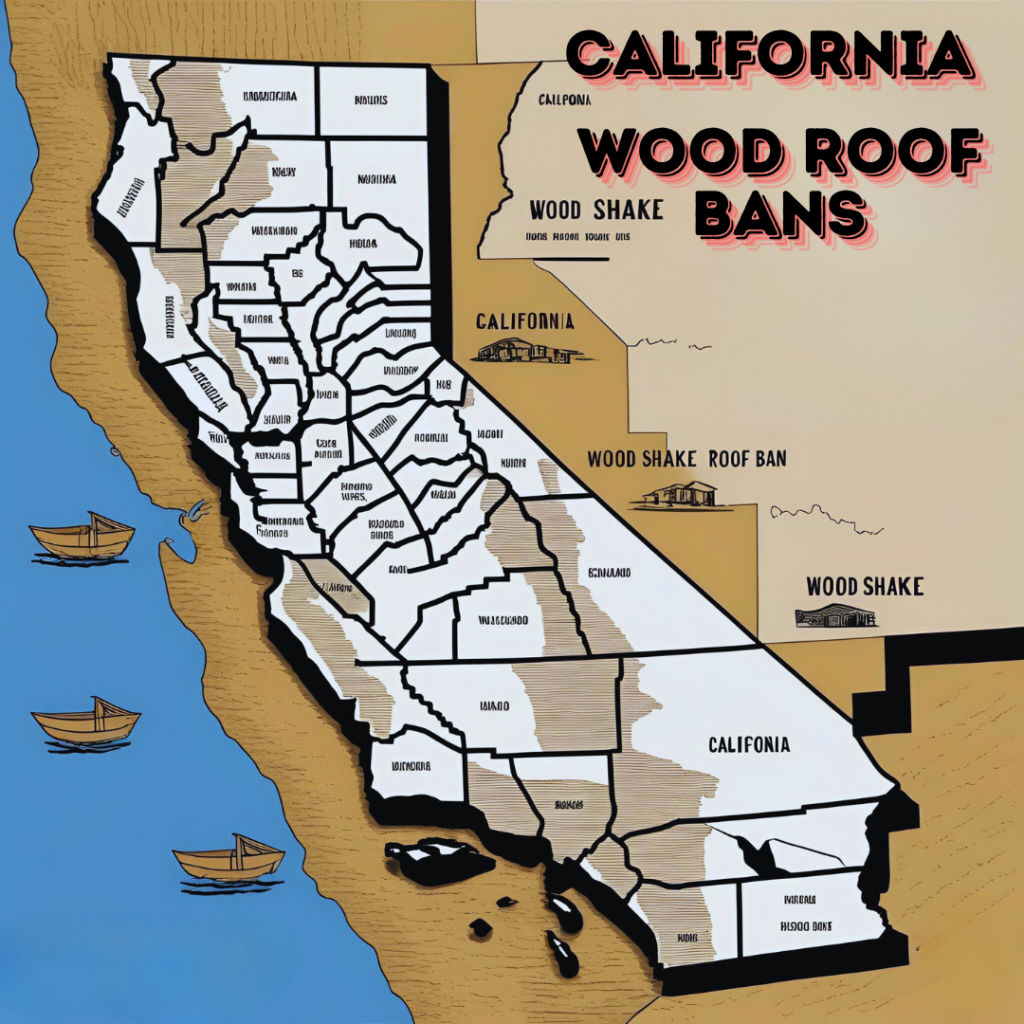
Purpose of Wood Roofing Bans
There are various reasons for wood roof bans and cedar shake shingle roof bans. The primary reasons are safety concerns and wildfire risk. Wood is a significant fire hazard because it is combustible, naturally flammable, ignites easily, and can spread flames quickly. Untreated wood roofs are an extreme fire concern for property owners living in mountain communities or WUI zones. Treated wood roofs are risky because most of the chemicals or preservatives used to treat wood still pose risks due to hazardous runoff and leaching of chemicals. Even treated wood roofs are at risk because wood is a naturally flammable material, and while you can treat wood shake shingles or cedar shake shingles with chemicals and preservatives, treated wood still poses risks due to leaching of chemicals like copper, chromium and arsenic.
The rationale behind a wood roof ban is rooted in the significant fire hazards posed by wood roofs and cedar shake shingle roofs. Wood roofs, are highly flammable and can easily ignite from high temperatures and flying embers, a common occurrence in hot, dry climates like those found in the Western United States.
The combination of these factors has made wood roofs a considerable liability in fire-prone areas. Wood roofs require high maintenance to mitigate their fire risks, including frequent treatments with fire retardant chemicals, which many wood roofs lack. This not only increases the hassle and cost for property owners, but complicates insurance coverage due to the increased fire risk associated with these roofs.
It is best that residents and communities living in mountain communities, WUI zones, or high risk fire zones avoid wood roofing altogether. Here are the reasons and purpose of wood roof bans and cedar shake shingle roof bans:
- Safety: The primary reason that wood roofs are banned is safety concerns. For structures and residents living in mountain communities and within WUI Zones, the risk of wildfires increases dramatically, thus safety for residents and safety for communities becomes paramount.
- Avoid Highly Flammable and Combustible Roofing Materials: If it is possible to avoid flammable and combustible roofing materials, they should be avoided. Wood shakes and wood shingles are naturally flammable and naturally combustible, even if they are treated with chemicals or preservatives.
- Comply with Local Legislature: An important reason as to why wood bans exist is to comply with local legislature, local municipalities, or local building code.
- Insurance: Wood roofs are a high risk liability for insurance companies covering residential dwellings. Insurance companies are cautious of advising homeowners to install or re-repair their natural cedar wood roof, especially in high-risk wildfire danger zones due to durability concerns and fire risk associated with wood. To replace a wood roof with a Class A Fire Rated and Class 4 Impact Rated roofing material like CeDUR, may alleviate insurance premiums.
- Prevent Damage and Save Lives: By banning wood roofs which are combustible and highly flammable, you can help prevent fire damage and help prevent the spread of wildfires. Most wood roof bans are in place to protect communities, mitigate fire risk, and save lives in the event of a fire or a wildfire.
- Increase Knowledge of Fire Risk Mitigation: In the event of a wildfire, roofs are the most vulnerable part of a home because they present a large expanse where debris and embers can land and ignite. If a structure or home has a wood roof, it is at a greater risk of ignition and is at more of a disadvantage then a home with a non combustible roofing material. If property owners and homeowners can mitigate fire risk in any way possible, or avoid flammable and combustible building materials like wood roofs, it is highly recommended they do so.
How are Roofs Fire Tested? What Roofing Materials can be Trusted?
Roofing materials are fire tested using industry standardized procedures that evaluate fire resistance. Common industry standard building materials fire tests are the ASTM E108 and UL 790 – Fire Tests of Roof Coverings.
After undergoing those tests, roofing products are labeled as Class A (highest), Class B, Class C (lowest), and Non-Rated in terms of their fire resistance and resistance to external fire exposure. Those ratings are based on a roof coverings ability to withstand varying degrees of fire intensity under laboratory conditions.
- Class A Fire Rating: Can withstand severe fire exposure.
- This roof covering is not readily flammable, provide high protection to the roof deck, does not contribute to the spread of fire across the roof, and will not produce flying firebrands. Class A roof coverings can withstand severe and, sometimes, even direct fire exposure—without igniting or spreading flames.
- Keep in mind that some roofing materials feature a “by assembly” Class A fire rating, meaning additional materials must be used during roof installation in order to achieve the Class A fire rated roofing system.
- Many times the additional materials are a special fire resistant underlayment which resides beneath the roof material covering to ensure maximum fire safety.
- Class A Fire Rated is the most fire resistant roof covering and should be the choice for anyone living in wildfire prone areas or WUI zones.
- Roofing products like CeDUR are stand alone Class A Fire Resistant, and they do not require the installation of a special fire resistant underlayment on the roof deck in order to achieve a Class A fire rated roofing system.
- Class B Fire Rating: Can withstand moderate fire exposure.
- This roof covering is not readily flammable, provide basic protection to the roof deck, does not contribute to the spread of fire across the roof, and will not produce flying firebrands.
- Class C Fire Rating: Can withstand light fire exposure.
- This roof covering is not readily flammable, provide slight protection to the roof deck, does not contribute to the spread of fire across the roof, and will not produce flying firebrands.
- Non-Rated: These materials do not qualify as a fire resistant roof covering.
- This type of roof covering should be avoided in wildfire prone areas or WUI zones.
It is important to note that fire ratings of roof coverings are influenced by the type of roof deck, installation method, and roofing underlayment. In the event of a fire, Class A Fire Rated roofing products provide the most fire protection and should be the considered for anyone living in wildfire prone areas or WUI zones. Again, one of the only roofing materials that is stand alone Class A fire rated without the need for a special fire resistant underlayment system is CeDUR.
The Importance of Wildland Urban Interface (WUI) and WUI zones
Wildland Urban Interface (WUI) is defined as the area where houses are in, or near wildland vegetation, and this is the area where wildfires pose the greatest risk to people due to the proximity of flammable vegetation.
The Wildland-Urban Interface Zone is where homes or properties are near flammable vegetation thus creating a very elevated risk for people and properties within that zone. The objective of WUI is to protect citizens and properties from fire damage and wildfires.
Building codes have been established to protect homes within Wildland Urban Interface areas from firestorms. Establishments such as Wildland Urban Interface help keep citizens and communities aware and informed of the protection that can be taken to ensure proper fire safety.
The Importance of Defensible Space and Creating Defensible Space
Creating defensible space around a home is a key strategy in being proactive and protecting properties or your home from wildfires. Defensible space is the area of space around a property that does not include combustible vegetation or combustible materials. This involves establishing buffer zones around homes to reduce wildfire risk and safeguard against flames and fire embers.
Defensible space is typically divided into different zones, each with specific vegetation management techniques to maximize fire resistance home defense. In this example Zone 0 is the 0-5 foot zone, Zone 1 extends 30 feet from structures, and Zone 2 stretches from 30-100 feet from a home or structure.
Zone 0 extends from 0 to 5 feet around the home and focuses on intense fuel reduction to prevent ember attacks.
- This is one of the most critical zones of your home and is referred to as the non-combustible zone.
- If you live in a mountain community or wildfire prone area, do not include combustible items in this zone.
- Ideally this zone includes fire resistant materials that will resist fire, not promote it.
- Non-combustible materials to consider choosing for this zone include concrete, brick, stone, steel and bare ground.
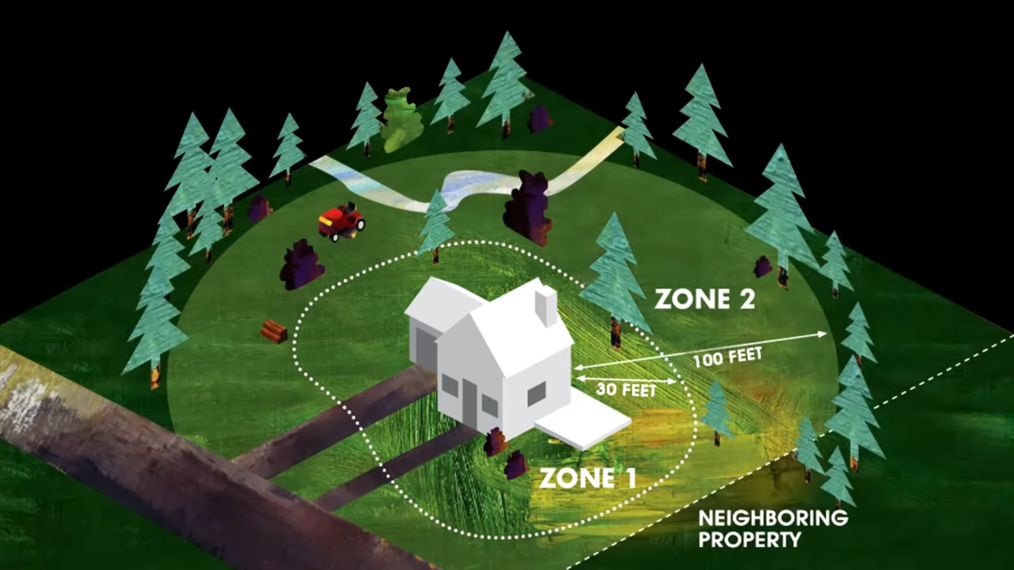
Zone 1 extends up to 30 feet from structures, this zone requires the clearing of dead plants and flammable items. Items you should consider removing from these zones are combustible items that can easily ignite and turn into fuel for a fire, including:
- Patio furniture (including furniture cushions, door mats, wicker furniture)
- Firewood
- Plants
- Mulch
- Tall grass
- Overhanging trees
- Combustible decking / fencing
Zone 2 stretches from 30 to 100 feet, where the spacing of shrubs and trees is crucial to minimize fire spread.
- Strategic placement of fire-resistant plants and proper maintenance of this zone can greatly improve a property’s resilience to wildfires.
- Consistent maintenance of this zones is important and should not be overlooked.
The Importance of Considering Non-Combustible Materials
Choosing non-combustible landscaping materials and roofing materials can greatly enhance the safety of a home and its defensible spaces. Materials like steel or concrete are good choices, as they do not ignite or contribute to fire growth. Combustible materials like mulch, lumber, pine needles, bark, firewood and wood chips should be avoided. By integrating non-combustible types of materials into your property design and landscaping, you can create a more wildfire-resistant environment and reduce the risk of fire spread or fire ignition.
Replanting and facilitating natural plant regeneration are critical components of sustainable forest management around your home that help restore forest areas after disturbances like wildfires. If you live in the mountains, adopting these basic forest management strategies promote long-term health and resiliency of forests, trees, and plants on your property. Learn more about Non-Combustible Building Materials.
Benefits of Switching from Wood to Fire Resistant Roofing
Switching to fire-resistant roofing materials provides significant benefits for homeowners and property owners. Beyond the obvious improvement in safety and protection, Class A fire resistant roofs can reduce insurance premiums and increase property value.
Fire-resistant materials are also known for their durability and low maintenance, which can help save homeowners time and money in the long run. The benefits of making this switch extends beyond safety, touching on financial and aesthetic aspects as well, especially when considering longevity of a property.
Improved Safety
One of the most compelling reasons to switch to Class A fire resistant roofing is the enhanced safety it provides. In areas vulnerable to wildfires, selecting non-combustible and fire resistant roofing materials and building materials can significantly reduce fire risk. These types of materials not only protects a home, but helps ensure the safety of its inhabitants.
Fire resistant roofing materials are designed to withstand high temperatures and traveling embers, which are common threats in wildfire-prone areas. These materials lower the ignition risk and enhance a roof’s safety and durability.
Insurance Premium Reductions
Another benefit of switching to fire resistant roofing is the potential for reduced insurance premiums. Homes with fire resistant roofs are less likely to catch fire, which decreases the overall fire risk associated with the property. As a result, insurance companies may offer lower premiums for homes with these safer roofing materials, especially for homeowners living in high risk fire zones. A roofing product like CeDUR Shiloh for example, is both Class 4 Impact Rated and Class A Fire Rated, which provides significant insurance benefits for homeowners.
These long-term savings on insurance can be substantial, making the initial investment in fire resistant roofing materials even more worthwhile. Homeowners can enjoy both immediate and future financial benefits by making the switch from a wood roof to a fire resistant roof.
Increased Property Value
Installing fire resistant roofing can also enhance a home’s appeal and market value. Buyers are increasingly concerned about fire safety, and having a fire resistant roof can make a property more attractive. This is particularly true in regions where fire hazards are a significant concern.
High-quality, low-maintenance roofing materials enhance safety and increase a home’s investment potential. Fire-resistant options can elevate property value and attract safety-conscious buyers.
Introducing CeDUR: The Best Fire Safe Alternative to Wood Roofs
A CeDUR roof combines the desirable cedar wood shake look with the latest in design and technology. CeDUR synthetic roofing products give any property an authentic wood shake look with stand alone Class A Fire Resistance, a Class 4 Impact Rating, and a 50 Year Limited Warranty. CeDUR roofs are a great alternative for homeowners, roofing contractors, architects, designers, builders, and property managers looking for alternatives to wood, asphalt shingles, and traditional roofing materials.
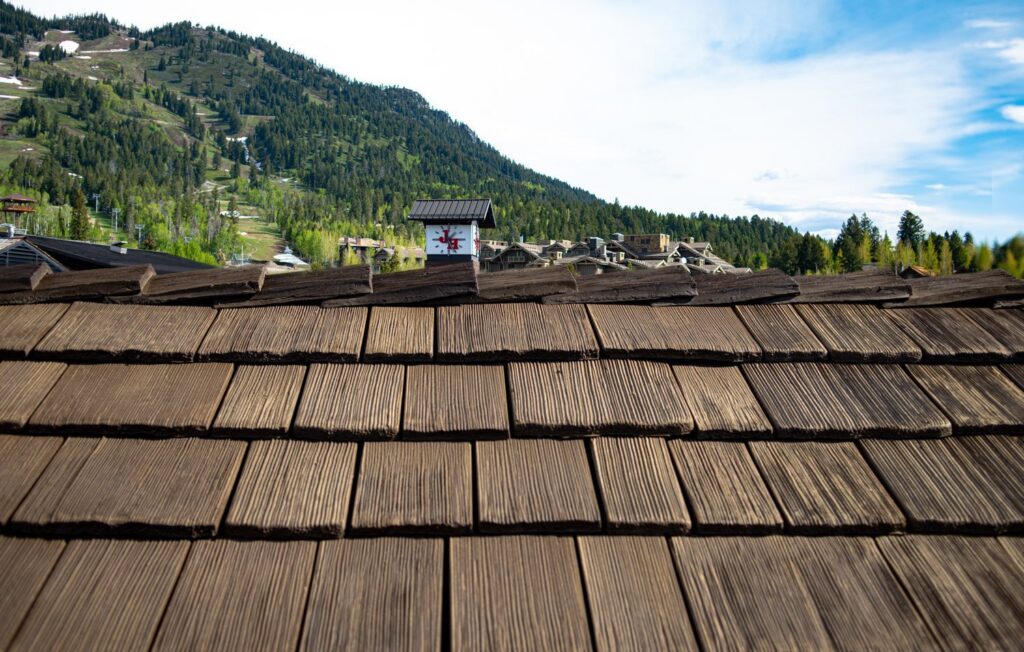
Stop Wildfire Spread with CeDUR Synthetic Roofing Products
In the event of a wildfire, roofs are the most vulnerable part of a home because they present a large expanse where burning debris and embers may land. Flames spread from roof to roof, with embers from the fire being a major cause of traveling fire damage. Sparks and ignited debris can be lifted and carried by wind and convection currents up to a half-mile from a fire.
Traditional cedar wood shakes have long been a favored look that seems perfect for a mountain setting. However, wood is naturally flammable and catches fire easily, and wood does not meet updated local building codes or safety standards. In fact many communities and mountain towns have banned the use of wood shake shingles altogether. Wood shakes are naturally flammable and untreated wood shakes can be ignited by firebrands, exposure to fire, or traveling embers from a nearby fire.
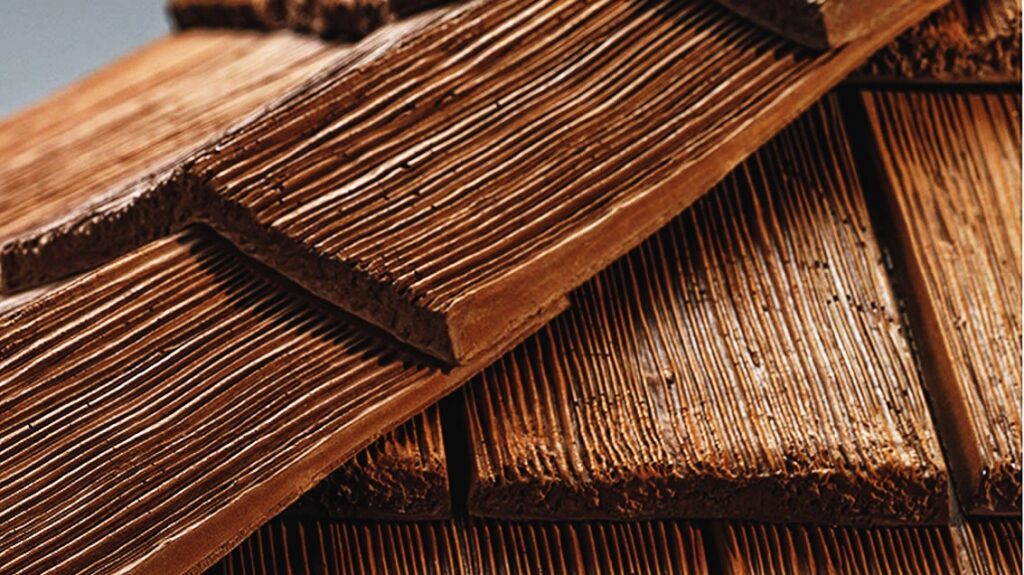
CeDUR Synthetic Roofing Products perfectly replicate the desirable wood shake look while providing extreme fire resistance. The look of CeDUR is so similar to that of heavy hand-split natural cedar wood shakes, that it is approved and trusted in mountain communities and builder developments for it’s consistency in appearance to natural wood shakes and its stand alone Class A fire resistance. Implementing a synthetic roofing product that can extinguish flame spread in the event of a fire has the potential to save properties and save lives.
Using our proprietary technology, CeDUR synthetic shakes can extinguish flame spread and will not allow a flame to propagate on the surface of the product. CeDUR products are stand-alone Class A Fire Rated without the need of a special fire-resistant underlayment during installation. Additional CeDUR Roof benefits include:
- 50 Year Limited Warranty
- Deep grain patterns provide incredible wood depth, texture and realism
- Class A Fire Rating – Stand Alone – highest rating obtainable – ASTM E108, UL 790
- CeDUR does not require a special fire-resistant underlayment to achieve its Class A Fire Rating
- Non Combustible material that extinguishes flame spread
- Provides extreme fire resistance (product reaches 1,400 degrees and does not ignite)
- Does not allow a flame to propagate on the surface of the product
- This fire-resistant technology is patented and proprietary to CeDUR
Additional Fire Risks Associated with Wood Roofs and Cedar Shake Shingle Roofs
Wood roofs and cedar shake shingle roofs are clearly very vulnerable to fires, especially in regions prone to wildfires. The primary concern is their susceptibility to ignition from embers, which can travel long distances during a wildfire event and easily set a wood roof ablaze. This risk is a significant reason behind the legislation banning wood roofs, aiming to enhance fire safety in vulnerable regions and wildfire prone locations.
In fire-prone locations, the fire risk associated with wood shake shingle roofs is simply too high to ignore. Homes with Class A Fire-resistant roofing materials have been shown to significantly decrease the likelihood of homes igniting during wildfires, making them a safer alternative for homeowners. Below are additional fire risks associated with wood roofs and cedar shake shingle roofs.
Traveling Embers and High Temperatures
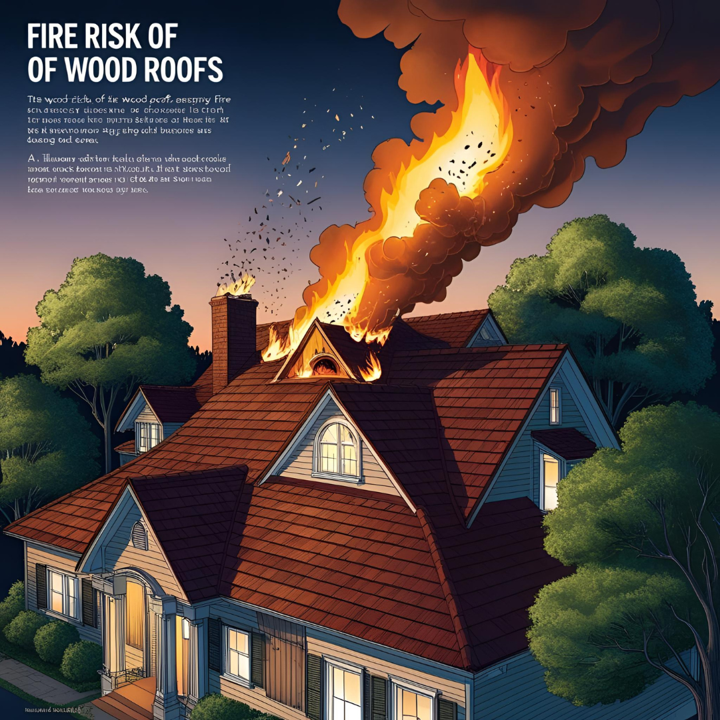
High temperatures can cause wood roofs to dry out, making them more prone to ignition. This drying effect is especially dangerous in hot, dry climates where wildfires are a common threat. Traveling embers from nearby wildfires can travel long distances, carried by the wind, and when they land on a dried-out wood roof, the risk of ignition skyrockets.
The combination of high temperatures and traveling embers significantly increases the risk of wood roofs catching fire. This underscores the importance of fire-resistant roofing materials in locations like Los Angeles County and other vulnerable areas like Teton County, Wyoming.
Lack of Fire Retardant Chemicals in Older Wood Roofs
Many traditional wood roofs lack effective fire retardant treatments, which makes them even more vulnerable to ignition. This is particularly concerning given that many homeowners may not be aware of the necessity for these treatments or may not maintain them adequately.
Traditional wood roofing products are often devoid of the necessary fire-retardant chemicals, increasing their flammability and making them a considerable risk. Without these treatments, the likelihood of a wood shake roof catching fire from embers or high temperatures is significantly higher.
Burning Wood Produces Harmful Smoke
Burning wood produces harmful smoke that poses serious health risks. Emissions from wood smoke produces hazardous particle pollutants, volatile organic compounds (VOCs) and fine particles that can penetrate into the lungs and cause inflammation, irritation, and a range of health issues.
Wood has a Low Ignition Temperature
While wood ignition temperatures vary depending on the wood type, natural cedar wood shake shingles typically ignite at around 375° to 400° Fahrenheit, and wood starts to decompose at around 300° Fahrenheit. This low ignition temperature for wood poses a significant fire risk, therefore it is crucial to maintain proper spacing between heat sources and combustible materials like wood.
For comparison, the temperature on the CeDUR Burning Brand Fire Test reached temperatures in excess of 1,400° Fahrenheit and the CeDUR product did not reach ignition.
Choose a Fire Safe Roofing Alternative like CeDUR
As you may have learned, several regions throughout the Western United States have taken proactive measures to enforce wood roof bans and cedar shake shingle roof bans. In Los Angeles County for example, property owners are required to use flame-resistant roofing materials or completely fire resistant roofing materials to reduce fire risk. Boulder County is another example, having implemented a ban on new wood shake roofs back in June 2022, with stringent deadlines for replacing existing roofs composed of wood. These areas are particularly vulnerable due to their proximity to wildland-urban interfaces where the risk of wildfire is significantly higher. The wood bans and restrictions in these areas are driven by the combustibility and natural flammability of wood shake shingle roofs.
Wood roof bans and cedar shake shingle bans represent a significant shift towards increased safety and fire prevention in fire prone areas. Given the fire risks associated with wood shake roofs, many homeowners are exploring better alternatives.While the charm of wood shake roofs is undeniable, their susceptibility to fire hazards necessitates a move towards safer alternatives. By understanding the areas impacted by the ban and the reasons behind it, homeowners and property owners can better navigate the changes required to comply with new regulations.
Switching to synthetic fire resistant roofing materials like CeDUR Live Oak, not only enhances the fire safety of a home, but it offers additional benefits such as improved impact resistance, reduced insurance premiums and increased property value. CeDUR Class A fire resistant shakes imitate heavy hand split natural cedar shakes while providing homeowners with a safe, aesthetically pleasing roof. These synthetic roofing alternatives ensure that homes retain their charm while significantly enhancing their safety.
To request CeDUR Samples click here or call CeDUR at 720-974-9200 to speak with a CeDUR Team Member.