Roof maintenance is an important part of homeownership that, when handled consistently and properly, can help you avoid costly repairs, reduce stress, and protect your home over time. From regular roof inspections and seasonal care, to addressing common roof problems and knowing when to call in professionals, we will cover a lot of ground in this comprehensive guide.
This article outlines key roof maintenance strategies that help safeguard your home and keep your roof in good condition. Typical roof maintenance includes yearly inspections, gutter cleaning, and prompt debris removal to help prevent minor roof issues from escalating into major repairs. For repairs, installations, or complex inspections, working with a licensed and insured roofing professional is recommended to ensure safety, expertise, and proper workmanship.
Keep in mind that different roofing materials, whether asphalt, metal, or tile, require unique maintenance practices to ensure their longevity and performance, including inspections, regular cleanings, and, for certain roof types, the application of protective coatings. It is always recommended to refer to or contact the roofing manufacturers recommended roofing maintenance strategies to avoid future issues.
Why Roof Maintenance Is Essential
Regular roof maintenance helps identify small issues before they become larger structural problems. Minor concerns such as loose flashing, clogged gutters, or early shingle wear can escalate quickly if left unaddressed. Consistent inspections and upkeep support longer roof life, improved energy efficiency, and better overall home protection.
Beyond preventing damage, proper roof maintenance also helps preserve manufacturer warranties and ensures your roofing system continues to perform as designed.
Common Roof Maintenance Tasks
Think of roof maintenance as preventative care for your home. Just as routine health checkups help catch problems early, regular roof inspections and maintenance tasks help reduce long-term damage. Core roof maintenance tasks include inspections, gutter cleaning, and debris removal, all of which contribute to proper drainage and moisture control.
A Basic Roof Maintenance Checklist
Routine roof maintenance does not always require climbing onto the roof. Many potential issues can be identified from the ground or during routine exterior checks. Incorporating the following tasks into a seasonal maintenance routine can significantly reduce long-term risk:
- Clear leaves, debris, and branches from the roof surface and gutters to prevent moisture buildup
- Inspect gutters and downspouts to ensure water is draining away from the roof and foundation properly
- Watch for moss, algae, or organic growth, which can trap moisture and accelerate material deterioration
- Check visible flashing and sealants around vents, chimneys, skylights, and roof penetrations
- Trim overhanging tree branches to reduce impact damage and limit moisture retention
- Look for missing, cracked, curling, or lifted shingles that may expose the roof to leaks
These preventative steps help limit moisture intrusion, reduce material stress, and extend the overall lifespan of your roofing system.
Inspecting Your Roof
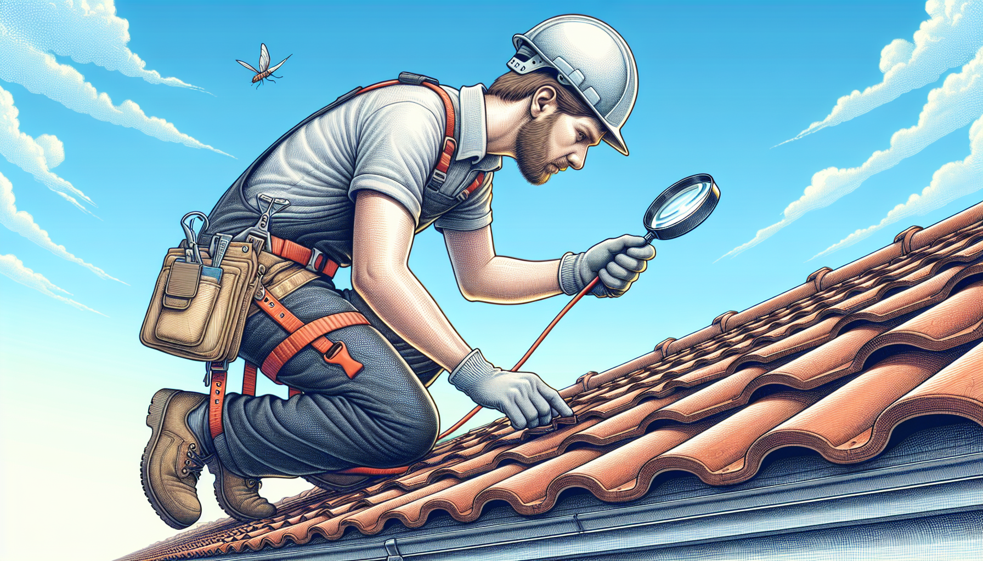
Roof inspections are like detective work – looking for clues that something might be amiss or out of the ordinary. Regular roofing inspections can help identify and recognize roof problems early, thus reducing long term repair costs. The National Roofing Contractors Association recommends an annual roof inspection, as well as inspecting the roof at least twice per year and after severe weather conditions to prevent leaks. Furthermore, it’s much safer to perform a visual inspection from the ground or a ladder rather than getting on the roof, which can be dangerous. In fact, it is highly recommended to never physically get on your roof deck to inspect the roof yourself. You should instead rely on the expertise and experience of a professional roofing contractor to inspect your roof.
During roof inspections, one should look for the following signs of roof damage:
- Cracked or damaged roof shingles
- Structural and water damage
- Pest damage and insect infestations
- Moss or mildew growth
- Flashing issues or gutter issues
In addition, an attic inspection can also reveal water damage and inadequate ventilation, which are indicative of underlying roof issues. By staying vigilant and conducting regular inspections, you can prevent issues related to weathering and natural aging, ensuring a watertight seal where roof planes intersect, and a well-maintained roof.
Gutter Cleaning and Maintenance
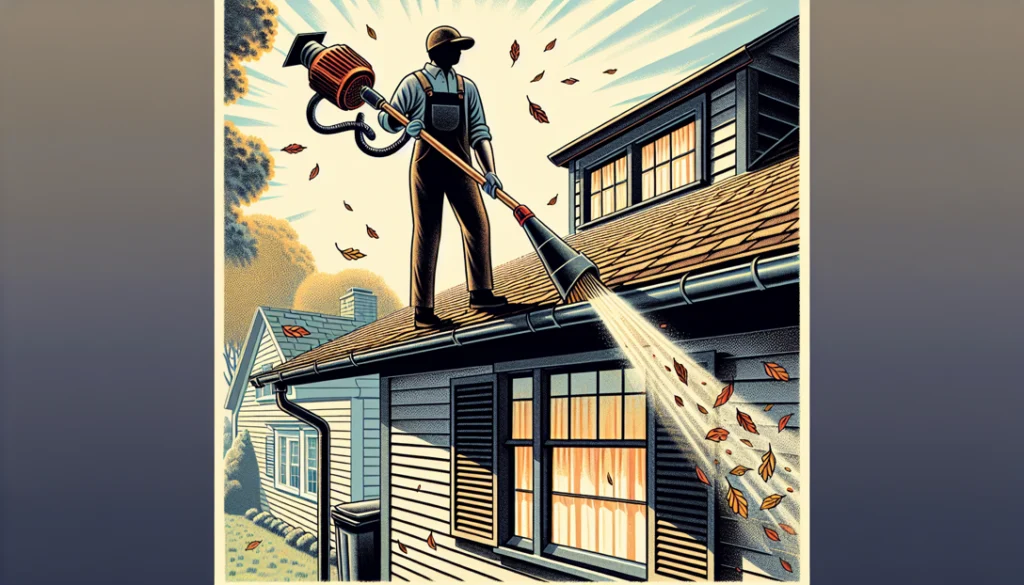
Another key element of roof maintenance is gutter cleaning. Gutters are like the veins of your roof, directing water safely away from your home and foundation. If they’re clogged with leaves or other debris, water can back up, potentially causing damage to your roof, fascia, and even your home’s interior. Gutters should be cleaned at least twice a year to ensure proper water flow, especially during spring rains. If your roof is surrounded by trees, it is recommended not to overlook roof gutter maintenance.
Keeping your gutters clean not only prevents water damage but also extends the lifespan of your roof. Here are some tips to help you maintain your gutters:
- Regularly inspect your gutters and downspouts to ensure they are clear of obstructions that can cause overflows.
- Consider installing gutter guards to reduce debris buildup.
- Perform visual inspections to identify when gutters require repair or additional sealing.
By following these tips, you can keep your gutters in good condition and avoid potential issues.
Debris Removal

A clean roof is a happy roof! Debris removal is an important part of roof maintenance that is often overlooked. Regular debris removal from the roof prevents issues like pest nesting, water collection, and blocked gutters, all of which are essential for proper water flow. Debris can be efficiently removed using a broom or leaf blower for light materials like leaves and twigs, or a soft household broom for a gentle approach to avoid damaging shingles.
But how often should you clean your roof? The frequency of roof debris removal depends on factors such as roof design, location, and the local environment; it’s important for homeowners to monitor their roofs and clear debris when necessary. Regular debris removal not only prevents physical damage but also maintains the roof’s ability to reflect sunlight effectively, reducing overheating in summer, and mitigating excess weight and ice formation in winter.
Simple and Cost Saving Roof Maintenance Tips
Many roofing problems start small and go unnoticed until visible damage appears inside the home. The reality is that most homeowners delay roof maintenance until something feels urgent, even though early action is far less disruptive and far more affordable.
If nothing else, focusing on a few core habits can make a meaningful difference. Keeping gutters clear, watching for visible shingle damage, and trimming back overhanging branches can prevent many common roofing issues from developing. These simple steps help control moisture, reduce impact damage, and limit unnecessary wear on roofing materials.
Consistent, basic maintenance is often the difference between a roof that reaches its expected lifespan and one that requires costly repairs years earlier than planned.
How Often Roof Maintenance Should Be Performed
Roof maintenance is most effective when approached as an ongoing routine rather than a one-time task. Establishing a consistent inspection and care schedule helps homeowners catch issues early and manage wear over time.
As a general guideline:
- Perform visual roof inspections seasonally, especially in spring and fall
- Inspect the roof after major weather events such as heavy rain, high winds, or hail
- Schedule professional roof inspections every few years, or as recommended by the roofing manufacturer
Homes located in areas with frequent storms, high humidity, or extreme temperature swings may benefit from more frequent evaluations. Following a regular maintenance cadence helps reduce unexpected repairs and supports long-term roof performance.
Caring for Different Roofing Materials
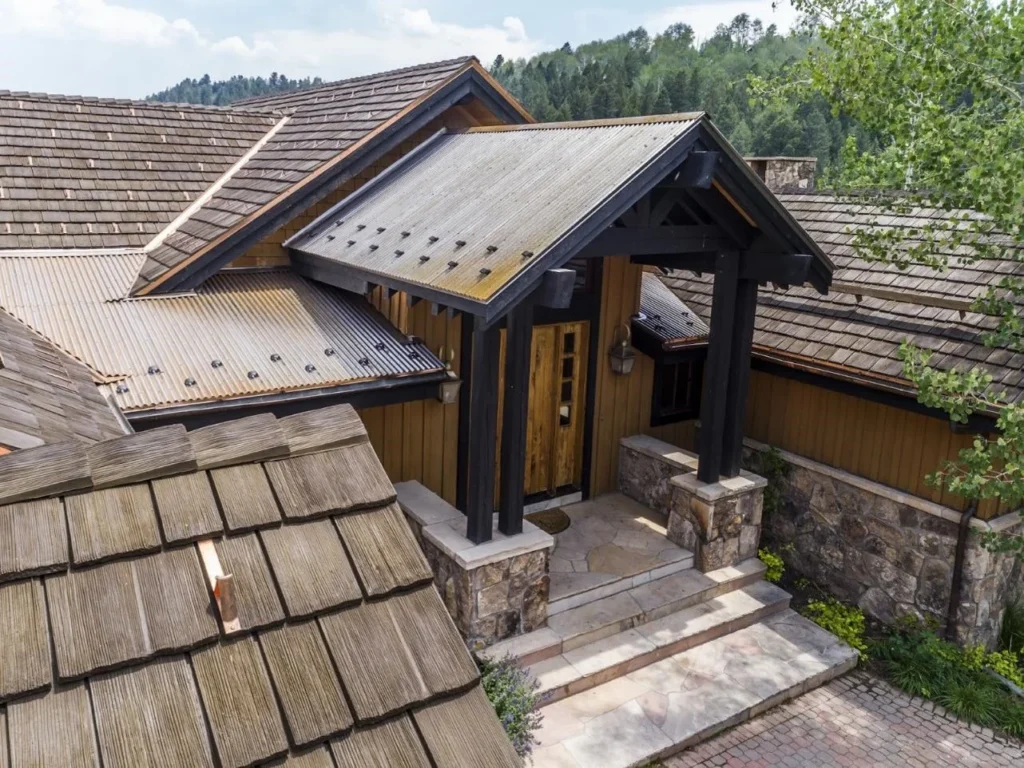
Just as different cars require different maintenance, so do different roofing materials. No matter if your roof is made of asphalt shingles, metal, or tile, each material requires its own maintenance approach to support long-term durability and performance. From applying protective coatings and sealants to using gentle cleaning methods, let’s explore how to care for these common roofing materials.
Asphalt Shingle Care
An asphalt shingle roof is popular due to its cost-effectiveness and aesthetic appeal. However, it requires regular and routine roofing care to maintain its integrity. One of the primary steps in asphalt shingle care involves inspecting the asphalt shingles each season for wear or damage such as missing shingles, damaged shingles with granule degradation, and trimming tree branches to prevent damage from impacts and debris.
In moist environments and areas prone to algae, using algae-resistant shingles can be a game-changer. These shingles are treated with zinc and copper products to inhibit the growth of moss and algae. Another key aspect of asphalt shingle care involves cleaning. Employ a soft-washing technique to clean shingles without damaging them and replace caulk around flashings as needed to prevent water leaks. Again, it is always recommended to refer to, or contact, the asphalt shingle roofing manufacturers recommended roofing maintenance strategies to maintain proper upkeep.
Metal Roof Maintenance
Metal roofs are renowned for their durability, longevity, and extended roof’s life span. However, they aren’t entirely maintenance-free. Regular maintenance should be conducted to check for:
- leaks
- dents
- scuffs
- scratches
- degradation
- galvanic corrosion
After the winter season, it’s crucial to check for any signs of rust or corrosion, as winter conditions can accelerate these issues.
Cleaning a metal roof involves removing any accumulated dirt, mildew, and other elements that could damage the surface. Also, be cautious about the contact of other metals or incompatible materials with the metal roof to prevent galvanic corrosion, which can deteriorate the roofing system. If properly maintained, a metal roof will last long, but it is strongly recommended to follow the metal roof manufacturers maintenance and cleaning guidelines.
Lastly, don’t forget the importance of applying protective coatings on metal roofs to prevent rust and extend their service life.
Tile Roof Upkeep
Tile roofs, while sturdy and resistant to the elements, requires regular maintenance to prolong their life and maintain their beauty. Cleaning is an important part of tile roof maintenance. Perform annual cleanings to remove dirt, debris, and small particles that may trap moisture and lead to algae growth.
Broken or cracked tiles should be replaced promptly to prevent water infiltration and further damage. Also, remember to check the underlayment beneath roof tiles, which is crucial for water infiltration prevention. Depending on the roof underlayment type, it may need replacement every 15 to 18 years.
Lastly, consider applying a tile sealant to protect against moisture and maintain an even color on the tiles.
Preventing and Addressing Common Roof Problems
Roofing issues, if left unchecked, can lead to significant damage and expensive repairs. Common problems include leaks, damaged shingles, and moss growth. By understanding these issues, you can take preventive measures or address them promptly when they arise, maintaining your roof’s integrity and increasing its longevity.
Leaks and Water Damage
Water is a roof’s worst enemy. Leaks and water damage can compromise the structural integrity of your home and lead to costly repairs. Interior signs of water damage includes:
- peeling paint
- warped walls or ceilings
- high indoor humidity
- moist insulation
These can all be indicators of a leaking roof.
To pinpoint the origin of a roof leak, you can employ the DIY water spray test. This involves spraying water on suspected areas with a garden hose while someone inside listens for dripping sounds. Remember, even a small roof leak can lead to severe problems, including widespread rot, mold, and damage requiring mold remediation or even total roof replacement.
Therefore, if there are signs of water damage, such as:
- dark spots
- trails
- sagging on the roof deck
- damage to the flashing around vents, chimneys, and vent pipes
It is recommended to consult with a professional roofer to assess and fix the issues if you suspect you have severe water damage.
Damaged or Missing Shingles
Damaged or missing roof shingles are a common issue that homeowners face. They not only affect the appearance of your home, but can also lead to leaks and other serious problems. If you observe any of the following signs on your roof, it may require repairs or a roof replacement:
- Missing shingles
- Curling edges
- Granule loss
- Blistering
- Rotting
Addressing these issues promptly can help prevent further damage and ensure the longevity of your roof.
Repairing damaged or missing shingles involves the following steps:
- Break the sealant bond on the damaged shingle and adjacent ones.
- Remove the nails.
- Take out the damaged shingle.
- Insert a new shingle of the same size.
- Nail it down.
- Re-nail surrounding shingles.
- To finalize the repair, apply small spots of asphalt plastic roof cement under the shingle’s tabs and press down to reseal.
Please keep in mind that these are simply recommended repair steps and these steps may vary depending on the shingle manufacturer. It is always best to consult with the exact manufacturer of your shingles prior to making any roof repairs.
Delaying repairs or improper replacement of damaged or missing shingles can lead to further issues, including leaks, algae growth, and compromised protection, especially before seasonal rains.
Moss, Algae, and Mold Growth
Moss, algae, and mold are not just unsightly; they can trap moisture and lead to serious roof damage if not promptly addressed. If your roof is surrounded by trees, you will need to lookout for and routinely check for moss and mold growth on your roof. In regions with dense tree populations, organic debris may need to be removed more frequently to prevent such growth. Algae growth can be minimized with the use of algae-resistant shingles or by applying an algae prevention treatment post-cleaning.
Removing moss and algae can be done in several ways:
- Manually by scraping or brushing, but care should be taken to avoid damaging the roof
- Using chemical treatments, such as a mix of liquid chlorine bleach and water or natural alternatives like white vinegar, to kill and prevent moss and algae
- For persistent issues, regular treatments may be necessary in environments conducive to moss or algae growth.
Seasonal Roof Care Tips
Roof maintenance is not a one-time event but a year-round responsibility. Each season brings its own challenges for roof care. By implementing seasonal maintenance strategies, you can protect your roof no matter what the weather brings, and ensure it stands the test of time.
Spring and Summer Maintenance

Spring is a season of renewal, and your roof is no exception. After harsh winter weather, it is important to inspect your roof for signs of damage, such as cracked or missing shingles. Additionally, removing branches, leaves, and other debris that have accumulated on the roof during winter can prevent moisture retention and blockage in gutters.
Cleaning your roof during spring and summer is also important. A thorough roof cleaning can remove dirt, mold, or algae growths that are frequent in warmer climates and can degrade roofing materials over time. It is also important to look for signs of rust or corrosion, especially on metal roofs, since winter conditions can speed up these problems.
Fall and Winter Maintenance
As the leaves fall and temperatures drop, your roof requires a different set of maintenance practices. One of the biggest threats to your roof during the colder months is ice dams. These form when poor ventilation leads to frozen water under shingles, risking shingle damage and increased exposure to the elements.
Good attic insulation is essential to prevent ice dams and protect shingles and the roof from damage due to melting snow and ice. Proper insulation, together with adequate ventilation, is key to regulating temperature and reducing moisture. These measures will ensure your roof is well-prepared to withstand the colder months and prevent potential damage.
Hiring a Roofing Professional
While some maintenance tasks can be handled by homeowners, there are times when it’s best to call in the pros. Professional roofers have the knowledge, experience, and equipment to handle complex issues safely and effectively. Remember, your roof is an investment, and like any investment, it needs to be well taken care of.
Hiring a professional can save you time and provide peace of mind knowing that your roof is in capable hands.
When to Call a Pro
While minor repairs like replacing a few missing shingles can be a DIY project for some homeowners, extensive or complex repairs should be left to professionals. Professional roof inspections can provide a detailed analysis using advanced technology such as drones or infrared to detect damage that may not be visible to the untrained eye.
Safety is another key factor to consider when deciding whether to hire a professional. Roof work can be dangerous without the right training and equipment. Furthermore, professional roofers are equipped to handle severe issues and identify less apparent problems, ensuring that your roof receives the comprehensive care it needs.
Choosing a Roofing Contractor
Choosing the right roofing contractor is important to make sure your roof receives proper care and attention. Always verify a contractor’s qualifications by checking their licensing and insurance to ensure legal compliance. Consider companies with positive feedback and decades of experience for more reliable service.
Seek referrals from trusted sources such as friends, neighbors, or local hardware stores and check the contractor’s reputation through the Better Business Bureau and contractor review sites. Meet potential contractors in person to discuss project specifics and ask detailed questions to assess their professionalism and experience.
Lastly, request a comprehensive written contract that outlines all job details including safety, scope, and clean-up methods. Always prioritize the contractor’s ability to offer outstanding work over the allure of the lowest estimate, taking into account warranties and quality of materials. With these roof maintenance strategies at your disposal, you’re well-equipped to protect your home’s crown and ensure it stands strong for years to come.
Consider CEDUR Synthetic Roofing Products
If you are in the market for a new roof because of storm damage, missing shingles, age, or roof degradation, you may want to consider CEDUR.
CEDUR manufactures synthetic roofing products that are indistinguishable from hand split heavy natural cedar shakes. With beautiful color options like Live Oak and Shiloh, you can’t go wrong replacing a wood shake roof with the most realistic synthetic shake ever made.
Roofing Maintenance FAQs
How often should roof maintenance be performed?
Roof maintenance should be approached as an ongoing routine. Most homeowners benefit from seasonal visual inspections in spring and fall, post-storm checks after severe weather, and professional inspections every few years or as recommended by the roofing manufacturer.
Can homeowners perform roof maintenance themselves?
Many basic roof maintenance tasks can be handled from the ground, such as clearing debris, inspecting gutters, and looking for visible shingle damage. For safety reasons, walking on the roof or performing repairs is best left to licensed roofing professionals.
Does regular roof maintenance really extend roof lifespan?
Yes. Routine maintenance helps prevent moisture intrusion, structural damage, and accelerated material wear. Addressing small issues early can significantly extend a roof’s expected lifespan and reduce long-term repair costs.
What roof maintenance tasks should never be DIY?
Tasks involving structural repairs, flashing replacement, underlayment issues, or steep roof access should always be handled by professionals. Improper repairs can lead to safety risks, void warranties, and cause further damage.
Do different roofing materials require different maintenance?
Yes. Asphalt shingles, metal roofing, tile, and synthetic roofing systems all have unique maintenance requirements. Following manufacturer-recommended care guidelines is essential to maintain performance and warranty coverage.
When is roof maintenance no longer enough?
If a roof has widespread damage, persistent leaks, or has reached the end of its service life, maintenance alone may no longer be sufficient. In these cases, a professional evaluation can determine whether repairs or full replacement is the best option.